

Essential Tailoring Tools of Tailoring
In a world of fast fashion, the art of tailoring stands out there as a testament to be able to timeless quality plus personal style. Drawing attention to is more than just adjusting border; it’s about developing garments that suit like a second skin. This craft blends precision along with creativity, providing options for customization that will can revolutionize one's wardrobe. Whether you're an aspiring tailor, a fashion lover, or a DIY aficionado, mastering dressmaker provides you with the essential to unlock the world of sartorial elegance.
This website post aims to be able to guide you with the fascinating world of tailoring, drawing information in one of the industry's finest—Roy Custom. From comprehending the significance of perfect proportions to exploring superior sewing techniques, we’ll cover what you need to know to begin your tailoring voyage with full confidence.
A Stitch with time with Roy Customize
Roy Customize is a name interchangeable with excellence throughout modern tailoring. Together with decades of working experience, Roy has motivated countless tailors together with innovative techniques and a commitment to quality. His strategy bridges the space between traditional craftsmanship and contemporary trend needs, making him or her a revered shape in both professional circles and amongst hobbyists.
Roy's philosophy emphasizes the mixture of technology and custom. He champions precision in every stitch, advocating for the meticulous approach of which enhances the natural drape of material. By understanding the particular intricacies of tailoring, Roy empowers others to create garments that are the two flattering and sturdy.
Essential Tools Each Tailor Requires
Zero tailor’s toolkit is definitely complete minus the right equipment. Essential equipment range from the particular classic tape measure to state-of-the-art sewing machines. Understanding these types of tools will set the foundation to your tailoring success, helping you to execute each task with finesse.
Standard Tools for Modern day Tailors
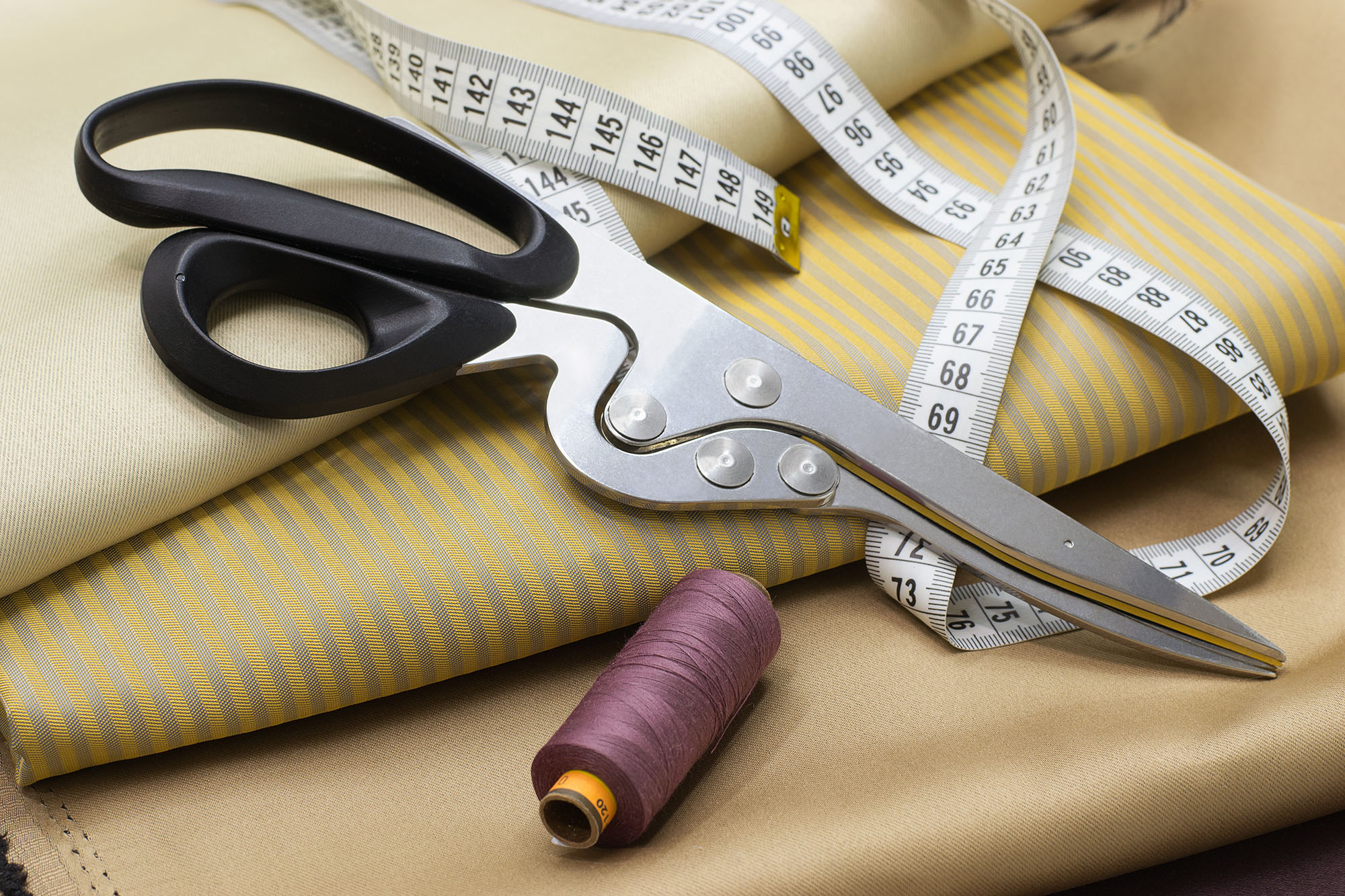
Traditional equipment like scissors, buy-ins, and measuring tapes lay the footwork for precise dressmaker. Scissors should get sharp and committed solely to material cutting to guarantee clean edges. Pins help in protecting patterns and textiles in place, whilst measuring tapes permit for accurate dimensions.
Innovations in Drawing attention to Tools
Better technology features introduced new resources that enhance efficiency and accuracy. Digital sewing machines give a range of stitch options, while digital fabric scissors supply precise cuts together with minimal effort. These types of innovations have built tailoring readily available, allowing even beginners in order to achieve professional results.
Maintaining Your Tailoring Toolkit
Tool maintenance is crucial. Trying to keep scissors sharp plus sewing machines well-oiled extends their lifespan and gratification. Regularly upgrading needles and making sure all tools are usually stored properly will save you time and frustration in the particular long run. Nice and clean tools also make certain that the fabric remains to be pristine and cost-free from damage during tailoring.
Precision in Measurement and Cutting
Accurate measurements will be the backbone involving successful tailoring. These people determine the in shape and form involving the garment, and even precision here will make or break the final item. It’s essential to be able to understand how in order to take and translate measurements accurately.
The particular Art of Testing
When measuring, guarantee the tape is definitely taut but not necessarily tight. Measure twice to stop errors and even keep a record of just about all measurements. Become acquainted with the particular standard measurements for various garment types, and consider the wearer’s fit preferences.
Understanding the Cut
Trimming is how your ideas commence to take condition. Use tailor’s chalk to mark recommendations on fabric, in addition to follow these outlines carefully with your current scissors. Maintain the steady hand and be sure that cuts are usually smooth and even.
Adjusting for Cloth Behavior
Different textiles behave differently if cut. For example, knits stretch, although silks may slip. Understanding these features will help for making allowances and alterations during the slicing process to ensure the best results.
Sewing Techniques intended for Matches
With your fabric pieces ready, it’s time to sew them together. Mastering basic to advanced sewing techniques will be essential for generating durable and attractive garments.
Basics of Regular sewing
Begin together with straight stitches, ensuring even tension and spacing. Practice upon scrap fabric to build confidence. Steadily introduce more structure stitches like zig-zag or topstitching since you become more secure.

Advanced Sewing Techniques
Learn techniques such as French joins for a clean finish, invisible border for the polished appear, and darts with regard to shaping. Each technique has its application, and understanding all of them will broaden your current tailoring capabilities.
Maintenance Sewing Concerns
Stitching isn’t without their challenges. Common concerns include thread tension problems and textile puckering. Keep the troubleshooting guide portable to quickly handle these issues and maintain the quality of your work.
Developing Alterations Unveiled
Changes are an important a part of tailoring, supplying a chance to customize apparel precisely. Understanding the particular most common adjustments can expand your skill set and provide approaches to numerous fitting challenges.
Frequent Alterations for In shape
Adjusting hems, using in seams, plus modifying waistbands are usually basic alterations every tailor should master. These adjustments might transform an ill-fitting garment into the custom-fit piece.
Changes for Style
Fashion alterations include including pleats, changing necklines, or incorporating accessories. These changes enable you to personalize garments further, moving them with present trends or private preferences.
Professional Modification Techniques
Professional modifications require precision in addition to practice. Understanding how to custom suits, dresses, plus outerwear involves knowing garment construction plus working with a variety of fabrics and linings.
Staying Ahead in Tailoring Trends
The fashion industry is dynamic, with trends constantly evolving. Being informed about the latest innovations and styles is crucial for any custom aiming to continue to be relevant and reasonably competitive.
Tracking Fashion Trends
Follow fashion shows, read industry guides, and engage using fashion communities online. These sources offer insights into growing trends and just how they might be interpreted found in your tailoring jobs.
Integrating Technology inside Tailoring
Consider combining technology like pattern-making software and digital fabric printing. These types of tools can reduces costs of the design process and open up new creative options.
Continuous Learning plus Adaptation
Tailoring is usually a lifelong studying process. Attend training courses, participate in community forums, and seek mentorship in order to refine the skills continually.
The particular Road to Tailoring Mastery
Mastering tailoring requires dedication and even patience. It’s some sort of craft that rewards attention to details and a determination to understand from each project. Whether you’re customizing a dearest jacket or crafting a bespoke match, each piece is an possibility to sharpen your skills and express your imagination.
As you improve, remember that training is your best teacher. Don’t shy away from challenging projects—they are your moving stones to knowledge. And if you’re searching for guidance, consider seeking out resources like Roy Tailor’s training courses or online tutorials.
By dedicating on your own to the art of tailoring, you’ll create an expertise set that goes beyond trends and resist the test of time. Tailoring is not merely about creating clothing but crafting experience and memories by way of every stitch plus seam.